The First Week at Home with a Newborn: What to Expect
22 November 2026

Bringing your baby home is joyful, and it can also feel a bit frightening. Suddenly the nurses are gone, the visitors are at the gate, and this tiny person depends on you. Take a breath. Most of what you will see in the first week is normal, and a few things need quick attention. This guide will help you tell the difference, so you can rest, feed and enjoy your baby.
Feeding: frequent, messy and completely normal

In the first days your breasts make colostrum, the thick yellow first milk. It is small in quantity but rich in protection, and it is all your baby needs. Mature milk usually comes in around day 3 to 5.
- Feed on demand. Newborns often feed 8 to 12 times in 24 hours, day and night. This is normal and does not mean you lack milk.
- Look for early hunger signs: turning the head, opening the mouth, sucking on fists. Crying comes late.
- Give only breast milk if you can. WHO and UNICEF advise exclusive breastfeeding for the first six months, with no water, glucose water, pap, herbal mixtures or gripe water. A newborn's tummy is tiny and these can make the baby ill.
- Check the latch. A deep latch should not leave you in sharp pain. If nipples crack or feeding hurts, ask the midwife, nurse or a breastfeeding counsellor at your clinic to watch a feed.
Some weight loss in the first few days is normal. The health worker will weigh your baby at checks to make sure the weight is coming back up. If you cannot breastfeed, or are worried about your supply, speak to a health worker early rather than quietly trying other drinks.
Nappies, sleep and what your baby's body is doing
Nappies tell you whether your baby is feeding well.
- Day 1 to 2: the first stools are black and sticky (meconium), with a few wet nappies.
- From day 3 to 5: stools turn green, then mustard yellow, and wet nappies become more frequent.
- By day 5 or 6: expect several heavy wet nappies and a few yellow stools in a day.
Newborns sleep a great deal, often 16 hours or more, in short stretches. Always lay your baby on the back, on a firm, flat surface with no pillow, thick blanket or soft toys. Sharing a room is good, but avoid sleeping with the baby on a sofa or soft bed, especially if you are very tired.
In hot weather, do not overwrap. A thin cotton layer is often enough, and if your baby's neck feels sweaty, remove a layer. If you use a generator at night, keep it well outside and away from windows and doors, because the fumes (carbon monoxide) are dangerous. Never run it in a room, passage or garage attached to the house.
Cord care: keep the stump clean and dry, and fold the nappy below it. Do not apply hot compresses, powder, ash, herbal pastes or anything not given by your health worker. If the clinic gave you a cord product, use it exactly as they showed you. It usually dries and falls off within one to two weeks.
Jaundice, visitors and the naming ceremony

Yellow skin (jaundice) is common in the first week, usually appearing around day 2 to 3 and fading over time. But go to a clinic or hospital the same day if:
- the yellow colour appears in the first 24 hours of life,
- it spreads to the belly, legs or whites of the eyes and keeps getting deeper,
- your baby is very sleepy, hard to wake, or feeding poorly.
Please do not rely on sunning the baby outside as treatment. It is not a safe or reliable way to treat jaundice, and the baby needs to be properly checked.
Visitors and omugwo support are a blessing, and a grandmother's experience can be a great help. Still, newborns catch infections easily, so set kind but firm house rules:
- everyone washes their hands before touching the baby,
- no kissing the baby's face or hands,
- anyone with cough, cold, fever or diarrhoea stays away for now,
- visits are short, so you can rest and feed in peace.
Many families hold a naming ceremony around the seventh or eighth day, such as the Yoruba isomoloruko, the Igbo igu aha or the Hausa suna. These are beautiful traditions, and you can honour them while protecting your baby. Keep the gathering small or short if you can, keep the baby out of crowded, hot or smoky rooms, and let someone else greet guests while you rest. Check that your baby's birth immunisations (usually BCG, OPV0 and hepatitis B) are recorded on the card, and ask the clinic when to return for the next visits.
Looking after yourself, and when to get help
You are recovering too. Eat regular meals, drink plenty of water, and let family cook, wash and carry while you feed and sleep when the baby sleeps. It is normal to feel tearful in the first days, but if sadness, anxiety or hopelessness stays or grows, tell your midwife or doctor. Seek care quickly for very heavy bleeding, fever, severe headache, a painful swollen wound or breast, or foul-smelling discharge.
Take your baby to a hospital or primary health centre immediately if you see:
- fever (38°C or above) or a very cold body,
- fast, laboured or noisy breathing,
- refusing several feeds, or being floppy or very hard to wake,
- fits or stiff, jerking movements,
- repeated vomiting, green vomit, or blood in the stool,
- no wet nappy for many hours,
- a red, swollen or smelly cord, or pus around it.
Trust your instincts. If something feels wrong, go and be checked, because you will never be wasting anyone's time.
The first week is mostly about feeding, sleeping, learning each other and healing. Keep your baby's essentials simple, accept help, and take it one day at a time. When you need nappies, soft cotton clothes or feeding items, Vicky Baby Shop is there to help, but your calm and your milk matter most.
Quick answers
### How often should my newborn feed?
Usually 8 to 12 times in 24 hours, including at night, and mostly whenever the baby shows hunger signs. If your baby sleeps through feeds or seems weak, speak to a health worker.
### Can I give my newborn a little water in the heat?
No. Breast milk contains the fluid your baby needs, even in hot weather. Feed more often, keep the baby lightly dressed, and see a health worker if you worry about dehydration.
### When should the baby see a health worker after leaving the hospital?
Ask for a check within the first few days, and keep the follow-up dates you were given. Go sooner if you notice any danger sign in this guide.
Find newborn bundle essentials at Vicky Baby Shop – Newborn Bundle, delivered across Nigeria from Ilorin.
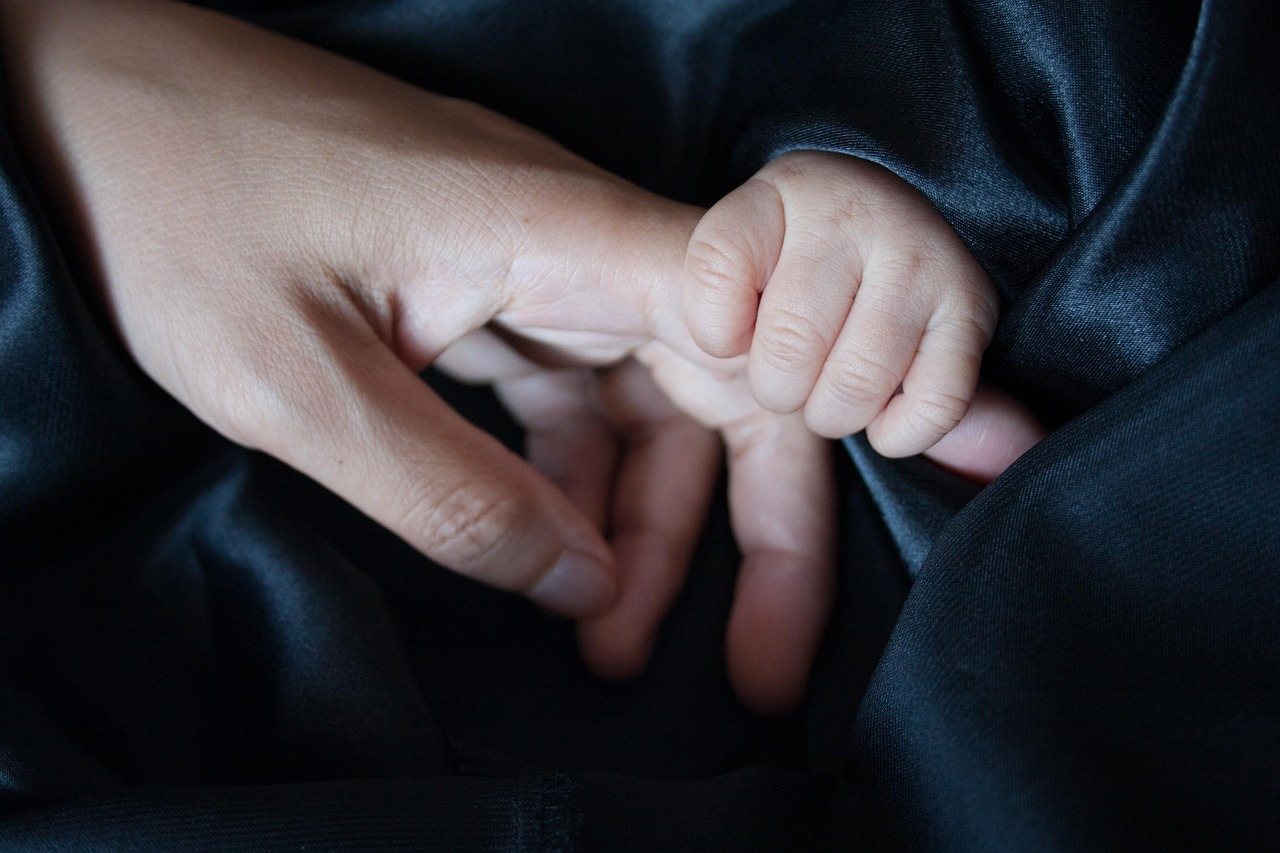
Cover photo: OmarMedinaFilms / Pixabay
 Baby Clothing Sizes Explained: Buying Smart as Your Baby Grows21 Nov 2026
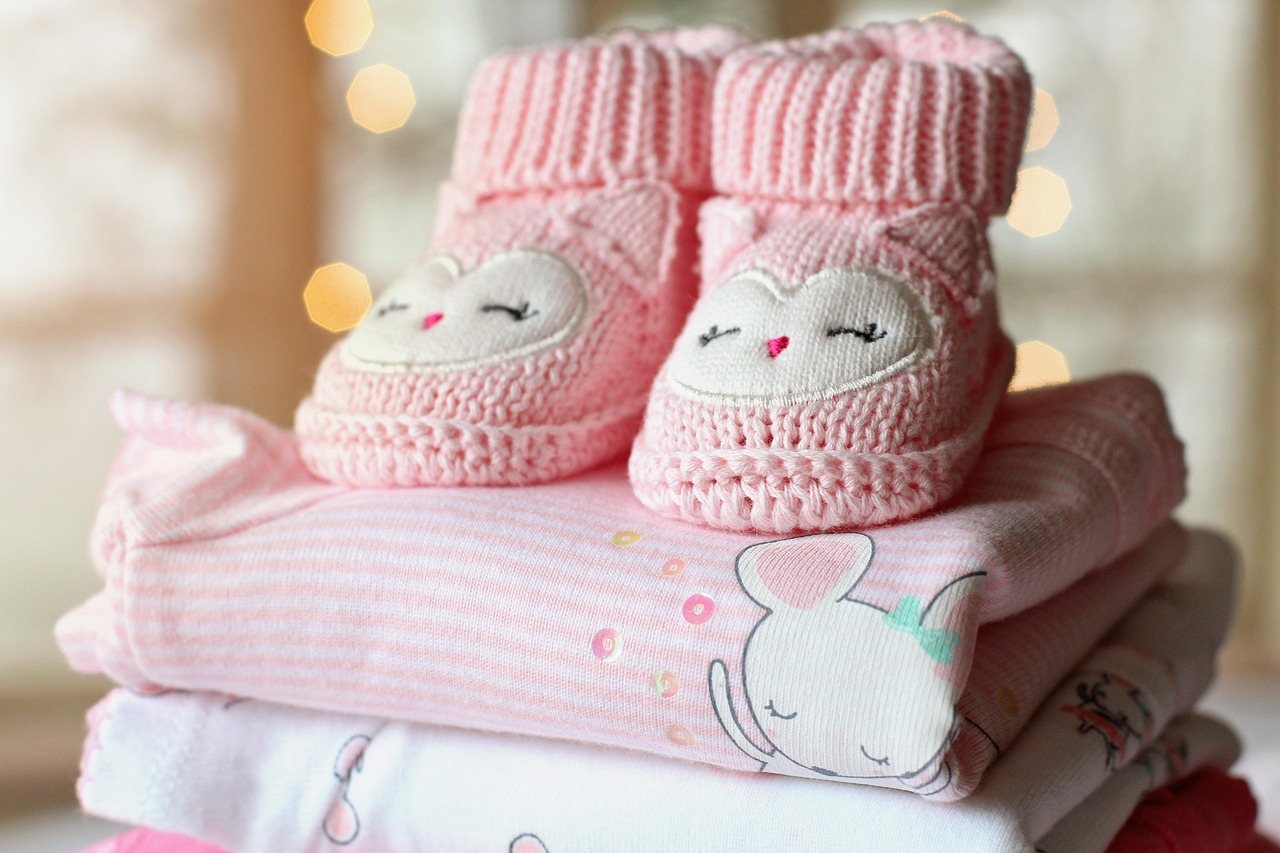 How to Dress Your Baby for Rainy Season, Harmattan and Hot Nights20 Nov 2026
 Newborn Essentials Checklist for Nigerian Parents19 Nov 2026