Newborn Essentials Checklist for Nigerian Parents
19 November 2026
Bringing a baby home is joyful, and it can also be overwhelming. Relatives will tell you to buy everything, shops will show you a hundred things, and your own list keeps growing. The truth is that a newborn needs very little: milk, warmth (not overheating), cleanliness, safe sleep and a health team to call on. This guide covers what you really need in the first month and what can wait. Prices vary by city and market, so spend on the basics first.
Clothes, nappies and wraps
Newborns grow fast, and Nigerian weather is warm for much of the year. Choose soft, light cotton over heavy fabrics, even in harmattan, where you can add a layer when needed.
- 5 to 7 short-sleeved or sleeveless bodysuits or vests
- 4 to 6 soft baby gowns or sleepsuits with easy openings
- 2 to 3 light caps and a few pairs of socks or mittens for cooler nights (harmattan, rainy nights or air-conditioned rooms)
- 3 to 4 receiving blankets or soft wrappers
- 1 or 2 thin shawls for going out
- Nappies: disposable, cloth, or a mix. A newborn can use many in a day, so buy a small pack first to see what fits and suits their skin.
- Soft wipes or cotton wool and clean water for cleaning the bottom
Wash new clothes before use, and dry them fully in the sun or by ironing, which helps remove moisture and germs. Don't buy too many newborn-size outfits, because many babies outgrow them within weeks.
Feeding: keep it simple
WHO and UNICEF recommend breastfeeding exclusively for the first six months, meaning no water, glucose water, pap, herbal water or gripe water unless a health worker advises otherwise. Breast milk covers your baby's thirst, even in hot weather.
- 2 or 3 comfortable, front-opening tops or loose dresses for feeding
- Breast pads or soft cloths for leaks
- A pillow or folded wrapper to support your back and arm
- Plenty of clean drinking water and nourishing meals for you. This is where family support, including omugwo, truly helps.
Bottles are not essential if you are breastfeeding. If you must give expressed milk or formula, speak with a nurse or midwife first. Wash and sterilise every bottle, teat and cup properly each time, because poor hygiene is a common route to tummy infections. A clean cup and spoon is often safer and easier to keep clean than a bottle.
Cord, bath and skin care
Keep the umbilical cord clean and dry and fold the nappy below it. Don't apply powder, hot compresses, herbs, ash or other home mixtures, as they can cause infection. Follow your clinic's advice on cord care. The cord usually falls off in the first couple of weeks.
For the bath and skin, you need:
- A clean basin and a soft towel
- Warm (not hot) water, tested on the inside of your wrist
- A mild baby soap, used sparingly
- Baby nail clippers or soft file (nails grow quickly and scratch)
- A plain, gentle moisturiser if the skin is dry, especially in harmattan
Keep bath time short, dry the skin folds well, and avoid strongly scented products. Skip talcum powder, since the fine dust is not good for a baby's lungs. Never leave a baby alone in water, even for a moment.
Safe sleep and protection from mosquitoes
You do not need an expensive nursery. A baby needs a firm, flat sleeping place that is safe.
- A cot, a baby basket, or a firm mattress in a clear space near your bed
- A thin, fitted sheet
- A treated mosquito net over the sleeping area (check that it doesn't touch the baby's face)
- A small fan or good ventilation, with the airflow not blowing directly on the baby
Lay your baby on the back to sleep. Avoid pillows, thick blankets, soft toys and bulky wraps, and don't over-wrap, even if relatives insist the baby will catch cold. Avoid mosquito coils and sprays near newborns. Keep a torch or rechargeable lamp nearby so you can manage night feeds during power cuts.
Be careful with visitors, especially around naming ceremonies. Everyone should wash their hands before holding the baby, and anyone who is coughing or unwell should wait. It is fine to keep crowds small in the early weeks.
Health papers, hospital bag and warning signs
Pack your hospital or health centre bag before the last weeks of pregnancy.
- Antenatal card and any test results
- Phone, charger and a small power bank
- Clothes, cap, socks and wrapper for the baby
- Nappies, cotton wool and sanitary pads for you
- Water, snacks and a change of clothes for you
Keep your baby's immunisation card safe. The first vaccines are usually given at birth or in the first days, and your clinic will tell you when to return. Note the address and phone number of your nearest primary health centre or hospital. A digital thermometer is useful, but do not treat a baby with any medicine unless a health worker has advised you.
Take your baby to a hospital or health centre urgently if you notice any of these:
- Fever, or the baby feels unusually cold
- Poor feeding or refusing to feed
- Fast or difficult breathing
- Yellow skin or eyes, especially if it spreads or the baby is very sleepy (don't rely on sunbathing for jaundice)
- Convulsions, a limp body or being very hard to wake
- Redness, swelling or pus around the cord
- Repeated vomiting or very few wet nappies
What you can skip or delay
You can avoid spending on these in the first month:
- Walkers, which are unsafe and not needed
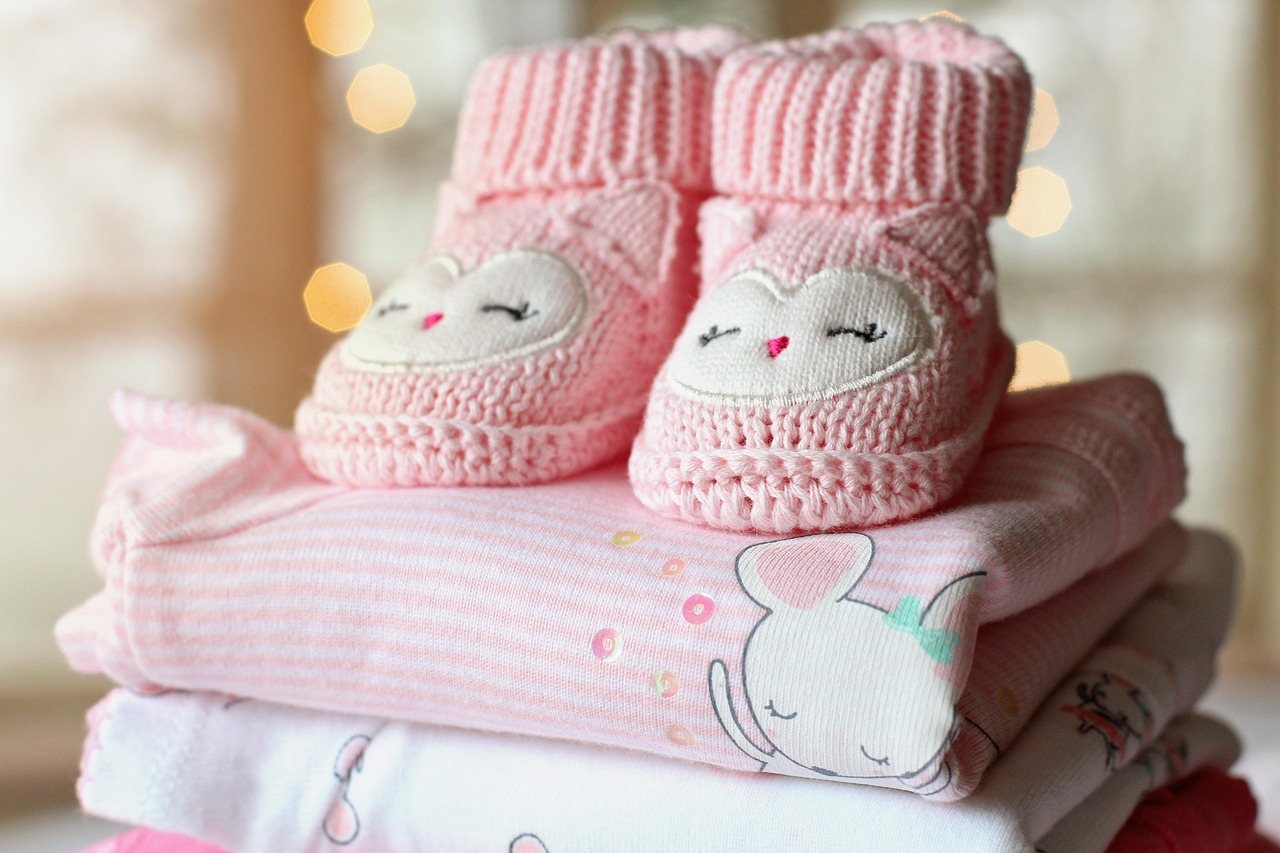
- Lots of shoes, since newborns don't walk
- Many toys, as a face, voice and gentle touch are enough
- Tight belly binders or waist wraps
- Gripe water, herbal mixtures or teething products
- Large stocks of one nappy size or brand before you know what works
Buy gradually, and accept helpful gifts. If you want to compare essentials in one place, you can find many of them at Vicky Baby Shop, but you do not need everything at once.
Quick answers
### Do I need a baby bath tub?
No. A clean basin or small bucket used only for the baby works well. Just make sure it is stable and the water is warm, not hot.
### Should I buy formula "just in case"?
Not usually. Talk to a nurse or midwife if you worry about milk supply, and get proper guidance before starting formula.
### When should I take my newborn for a check-up?
Go to your clinic when you are told to for check-ups and vaccines, and go straight away if you see any danger sign. Trust your instinct if something feels wrong.
Most of what helps a newborn is free: your closeness, your milk, clean hands and rest. Buy the basics, ask for help, and let the rest wait until you know your baby better.
Find newborn bundle essentials at Vicky Baby Shop – Newborn Bundle, delivered across Nigeria from Ilorin.
Cover photo: RebeccasPictures / Pixabay
 The First Week at Home with a Newborn: What to Expect22 Nov 2026
 Baby Clothing Sizes Explained: Buying Smart as Your Baby Grows21 Nov 2026
 How to Dress Your Baby for Rainy Season, Harmattan and Hot Nights20 Nov 2026