How to Dress Your Baby for Rainy Season, Harmattan and Hot Nights
20 November 2026
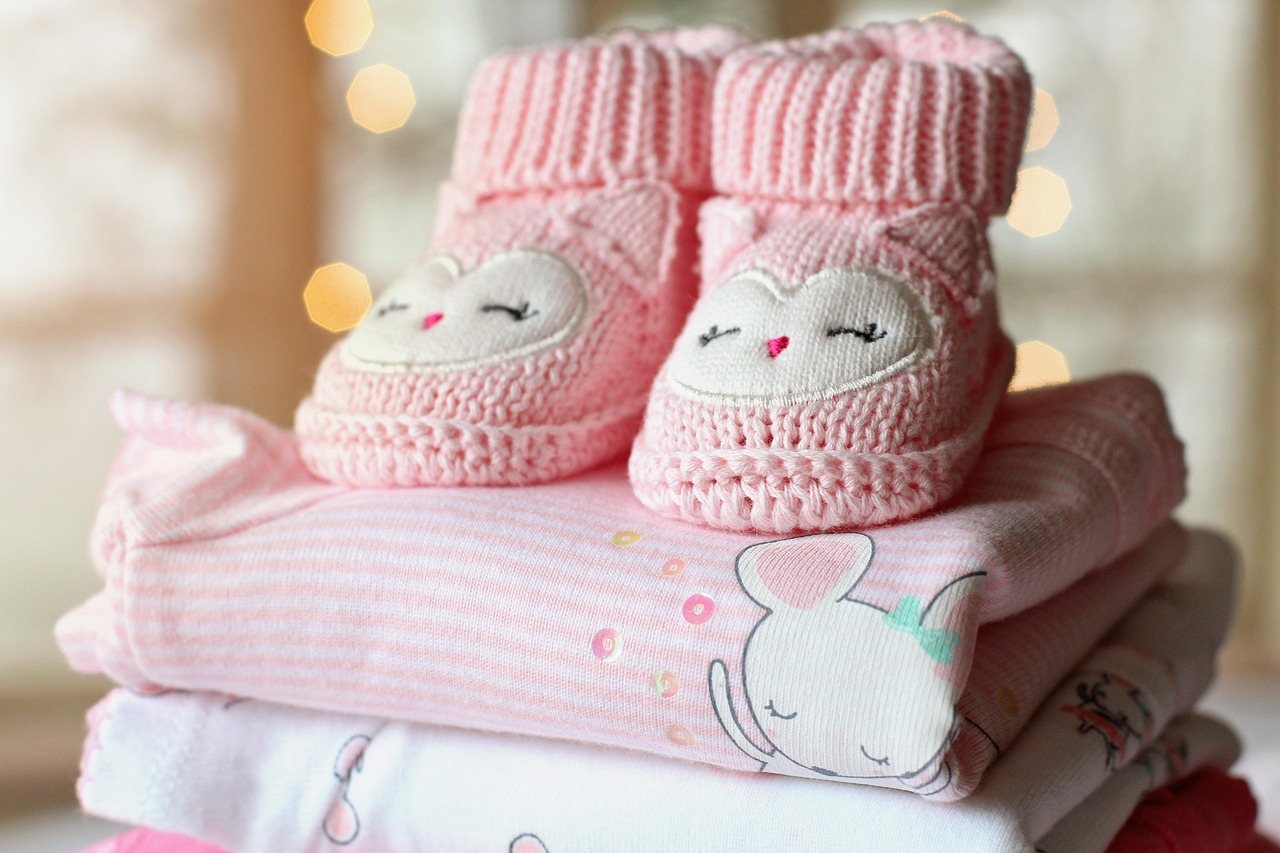
Nigerian weather can change a lot in one year, and sometimes in one day. You may have a sweaty afternoon, a cool rainy evening and a dry, dusty harmattan morning all in the same month. Babies cannot tell us when they are too hot or too cold, so we have to work it out for them. The good news is that you do not need a wardrobe full of special clothes. You need a few sensible rules, soft fabrics and the habit of checking your baby often.
The simple rule: one more layer than you, not three
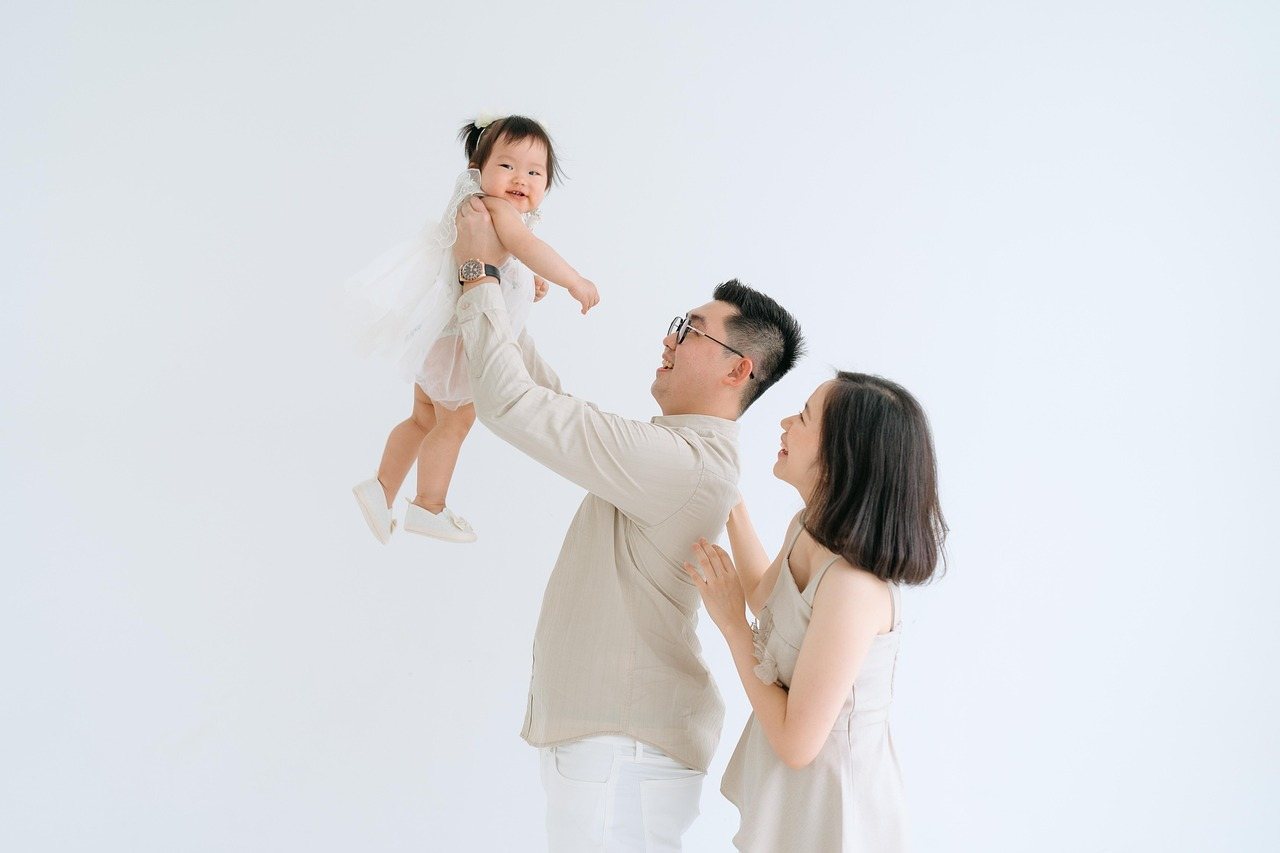
A good starting point is to dress your baby in about one light layer more than you are comfortable in. If you are fine in a thin top, your baby may need a thin vest and a light cover. If you are reaching for a sweater, add a layer or two to your baby.
Many of us grew up with the belief that babies must be well wrapped at all times, and grandmothers mean it with love. But overheating is a real risk for babies, and it is linked to sudden infant death. Being a little warm is more dangerous than being slightly cool.
To check your baby's temperature:
- Feel the back of the neck or the chest. These should feel warm, not hot or sweaty.
- Do not rely on hands and feet. They are often cooler even when your baby is perfectly comfortable.
- Watch for warning signs of overheating: damp hair, flushed cheeks, heat rash, fast breathing or restlessness. Remove a layer straight away.
- Cold signs: a chilly chest or back, or a baby who is quiet and sleepy and hard to wake. Warm your baby up and seek care if the baby does not improve.
Rainy season: keep dry, not heavy
In the rainy season the air is damp, the evenings are cooler and clothes take forever to dry. The main challenge is keeping your baby dry and avoiding damp clothes, rather than piling on warmth.
- Choose soft cotton vests, rompers and sleepsuits. Cotton absorbs sweat and dries better than many shiny synthetic fabrics.
- Add a light cardigan or thin long-sleeved top for cool evenings, and take it off when it warms up.
- Change your baby quickly if clothes get wet from rain, spit-up or a leaking nappy. Damp cloth against the skin cools a baby fast and can cause rashes.
- For trips out, use a rain cover for the pram or a light baby carrier cover, not a thick blanket that traps heat.
- Keep a spare set of clothes in your bag, because the weather can turn quickly.
If you dry clothes on a line outside, iron them, especially nappies, vests and anything that touches the skin. Ironing helps kill the eggs of the tumbu fly, which can hide in damp laundry and cause painful boils on the skin. Ironing also helps with clothes that have dried slowly indoors and smell a bit damp. If a garment is still damp, do not put it on your baby.
Mosquitoes are also a concern in the rains. Light long sleeves and trousers in the evening help, but a sleeping net is still important. If your baby has a fever, do not wait at home. Go to a clinic, health centre or hospital for proper testing and advice.
Harmattan: protect skin, but keep it breathable
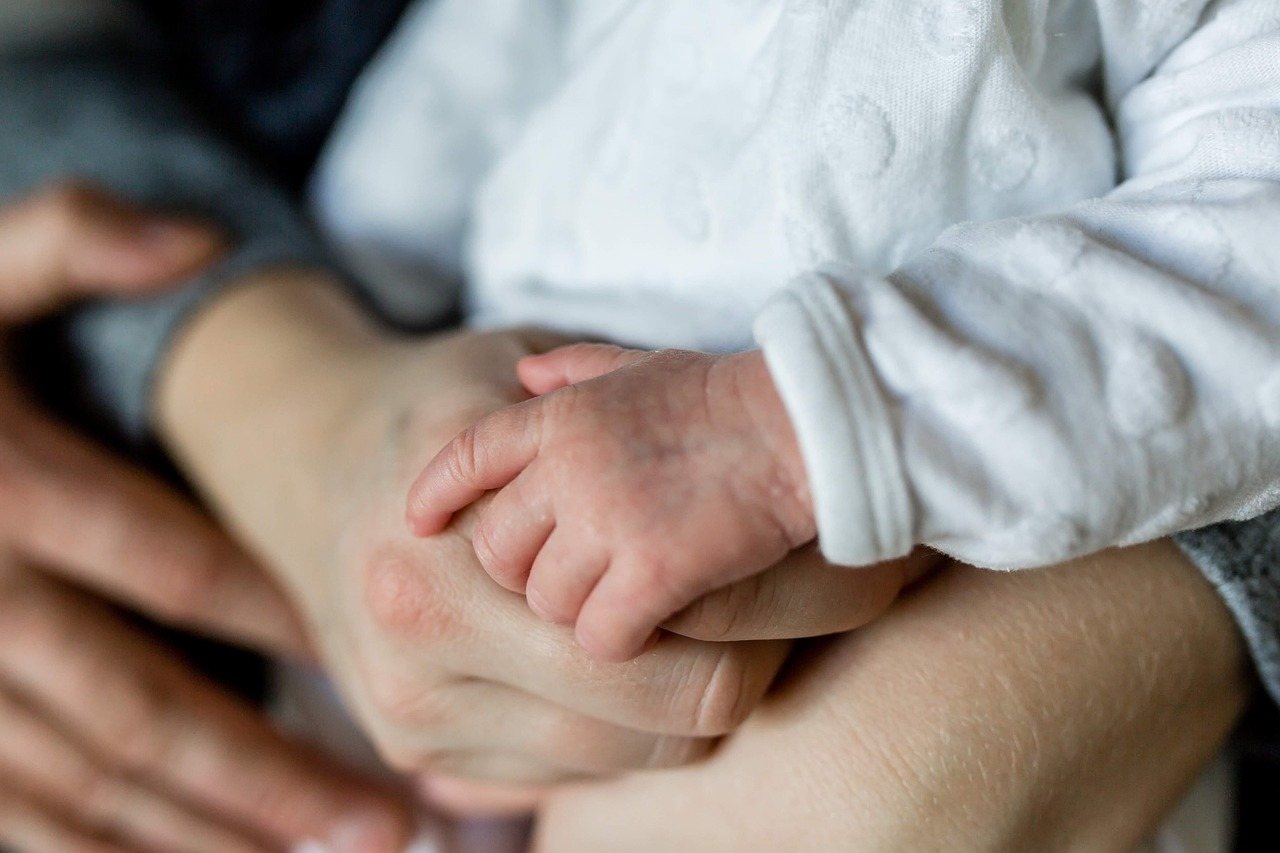
Harmattan brings cool mornings and nights, dry air, dust and cracked skin. Many parents rush to cover the baby from head to toe, but the real harmattan problems are dryness and dust, not heavy cold.
- Use layers you can remove: a cotton vest, a long-sleeved top or sleepsuit, and a light blanket or shawl on top when needed.
- A soft cap can help in a cool early morning or at night. Take it off once the baby is indoors or the day warms up, since babies lose a lot of heat through the head and can also overheat there.
- Socks or booties are useful in the cool hours. Check that they are not too tight.
- After bathing, moisturise while the skin is still slightly damp. Use a gentle, fragrance-free baby moisturiser. Ask a pharmacist or nurse if your baby has very dry, cracked or itchy skin.
- A little petroleum jelly or a baby lip balm can protect dry lips and cheeks.
- Wash your baby's face and hands after dusty outings, and wipe the nose gently.
Avoid strongly scented rubs, menthol balms or camphor near a baby's face and nose, and do not use mothballs in clothes drawers. These can irritate the airways or be harmful. If your baby has a cough with fast or difficult breathing, a persistently blocked nose or trouble feeding, see a doctor or nurse promptly.
Hot nights: light clothing and a safe sleep space
On hot nights, less is more. The idea is a baby who is comfortable, not one who is sweating.
- A single thin cotton vest or short-sleeved bodysuit is often enough, with a thin sheet or cotton wrapper nearby in case the room cools down later.
- Skip heavy sleepsuits, wool and thick polyester on warm nights.
- Do not cover your baby's head or face while sleeping. No hats indoors at night in hot weather.
- Use a firm, flat mattress with a fitted sheet. Avoid pillows, loose blankets, soft toys and thick wrappers around the baby.
- Place your baby on the back to sleep.
- Check the back of the neck once or twice in the night. If it is damp, remove a layer.
Cooling the room is a topic on its own, but when you dress your baby, always match the clothes to the room, not to the weather outside.
A simple wardrobe checklist
You can manage all three seasons with a small, practical set of clothes. Rough numbers for a young baby:
- 6–8 cotton vests or bodysuits
- 4–6 soft rompers or sleepsuits (some short-sleeved, some long)
- 2–3 light cardigans or thin long-sleeved tops
- 2 soft caps and 3–4 pairs of socks or booties
- 2–3 light blankets or cotton wrappers
- A rain cover for the pram or carrier
- A few spare outfits for your bag
Wash new and second-hand (okrika) clothes before use, rinse them well to remove soap, dry them fully and iron them. Choose gentle, unscented detergent when you can. Babies grow fast, so buy small quantities in each size. Essentials like these can be found at Vicky Baby Shop and other trusted stores, but borrowing from family or friends is also fine as long as clothes are clean and in good condition.
Quick answers
### Should my newborn wear a cap and socks all the time?
No. Use them when it is cool or breezy, and take them off when your baby is indoors in warm weather. Check the back of the neck to see if your baby is too warm or too cool.
### Is it safe to use a thick wrapper or blanket during harmattan nights?
Use thin layers and keep blankets away from your baby's face. For the youngest babies, it is safer to add or remove a sleep layer than to rely on thick, loose coverings. If you are unsure, ask your nurse or midwife.
### When should I take my baby to a health facility about temperature?
Go promptly if your baby feels very hot or very cold, has a fever, is unusually drowsy, feeds poorly or breathes fast. For babies under three months, any fever needs urgent medical attention.
Dressing a baby well is mostly about paying attention: feel, adjust and check again. Soft cotton, thin layers and a calm eye on your baby will serve you through rain, harmattan and the hottest nights. If something does not seem right, trust your instincts and visit a clinic or primary health centre. Your baby's comfort matters, and so does your peace of mind.
Find clothing essentials at Vicky Baby Shop – Clothing, delivered across Nigeria from Ilorin.
 The First Week at Home with a Newborn: What to Expect22 Nov 2026
 Baby Clothing Sizes Explained: Buying Smart as Your Baby Grows21 Nov 2026
 Newborn Essentials Checklist for Nigerian Parents19 Nov 2026