Keeping Your Baby Cool During Power Cuts and Hot Nights
17 November 2026
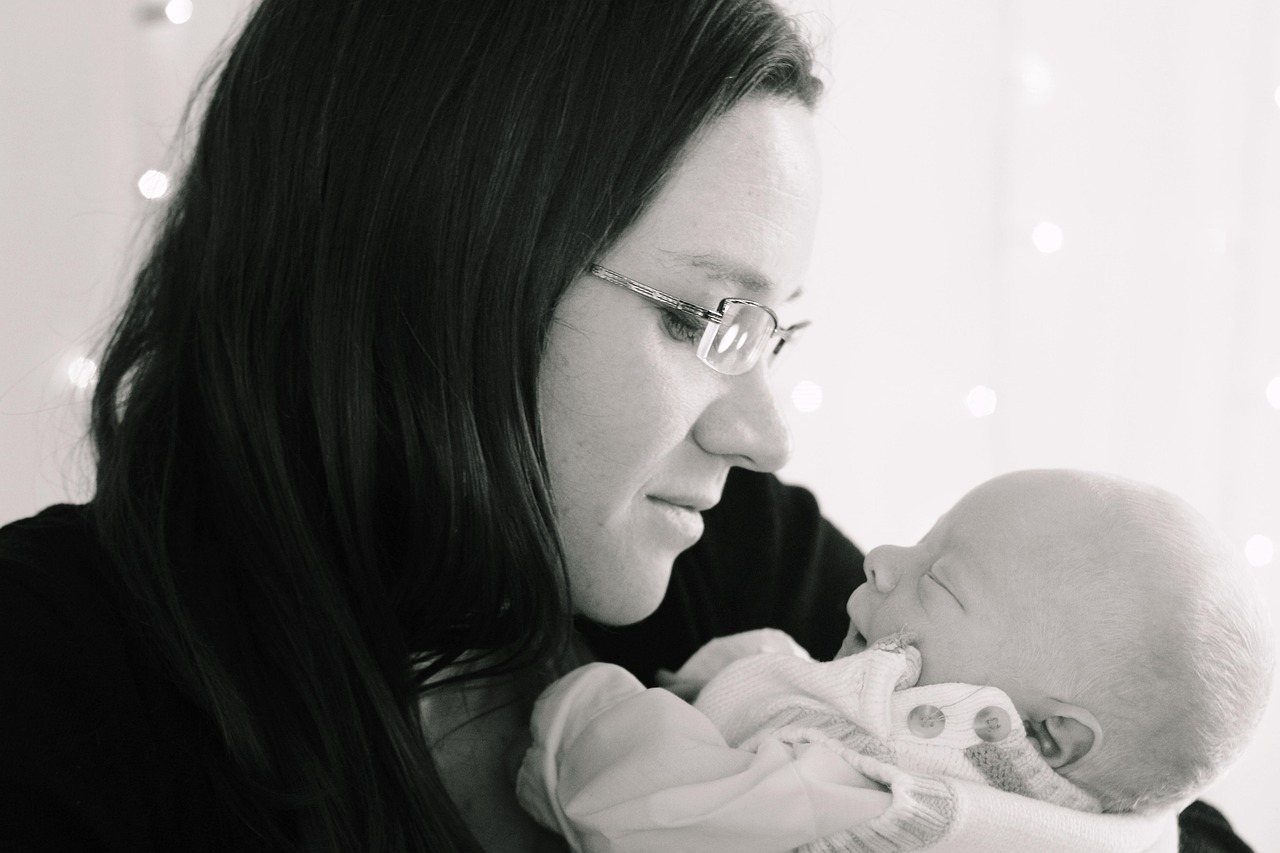
When the light goes at 11pm and the room turns into an oven, every parent feels it. The baby starts to fuss, the back is wet with sweat, and you wonder whether to open the window, switch on the generator, or wrap the child "so he won't catch cold". Babies cannot control their body heat as well as adults, so hot nights need a little care. The good news is that you do not need expensive equipment. Most of what helps is simple, cheap and safe.
Know the signs of a baby who is too hot
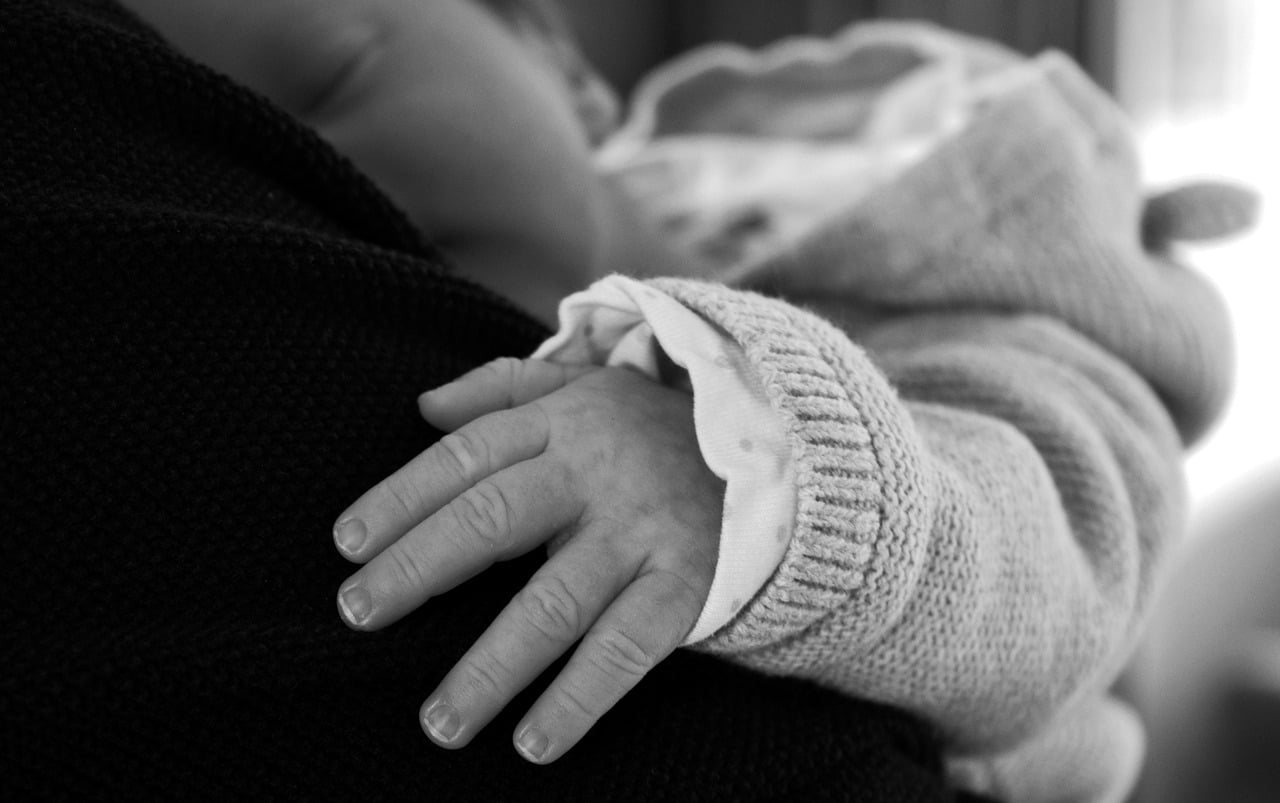
Babies cannot tell you they are uncomfortable, so watch their body. A baby who is too warm may:
- Have a flushed or red face and damp hair
- Sweat on the neck, chest or back
- Breathe faster than usual
- Be restless, cranky or crying without an obvious reason
- Develop tiny red bumps (heat rash) around the neck, armpits, nappy area or skin folds
Feel the back of the neck or the tummy, not the hands and feet. Little hands and feet are often cooler even when the body is warm. If the neck or tummy feels hot and sticky, take off a layer.
Dress and wrap lightly
In our climate, the most common mistake is too many clothes. Many of us were taught to cover a baby well, and grandmothers who come for omugwo mean it with love. But a baby wrapped in thick wrappers, woollen caps and socks on a warm night can overheat quickly. You can gently explain that a baby is fine in the same amount of light clothing that keeps an adult comfortable, plus perhaps one thin layer.
- Choose loose, soft cotton clothes. Synthetic fabrics trap heat and sweat.
- For sleeping, a thin vest or a light cotton gown is often enough on hot nights.
- Skip woollen caps and socks indoors, except in cold harmattan mornings.
- Use a thin cotton wrapper or sheet instead of a heavy blanket. Keep it below chest level, away from the face.
- Change damp clothes promptly. Sweaty cloth against the skin makes heat rash worse.
Make the sleeping space safer and cooler
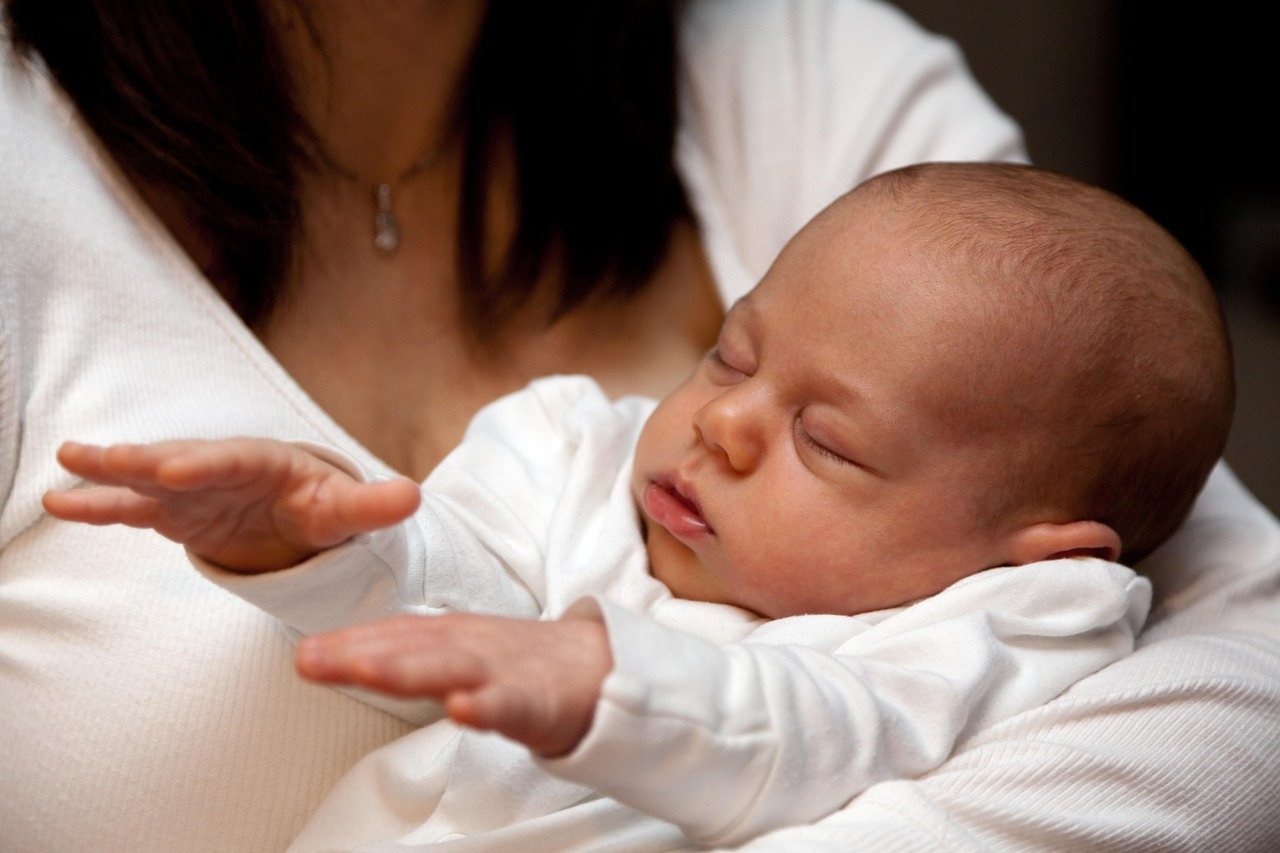
Safe sleep matters even more when it is hot. Always put your baby to sleep on the back, on a firm, flat mattress, with no pillows, soft toys, thick padding or loose cloth near the face. Avoid sleeping with a baby on a sofa or armchair, or when you are very tired or have taken something that makes you drowsy.
To cool the room:
- Open windows and doors for cross-breeze when it is safe, but keep mosquito nets or screens in place. Malaria is a serious risk for babies, so an insecticide-treated net remains important even in hot weather.
- Hang the net so air can still pass through. Check that it is not pressed against the baby's face.
- Keep curtains closed during the day to block the sun, and open them in the evening to let heat escape.
- Wipe the floor with a damp mop in the evening, and hang a damp cloth near an open window. The evaporation can help a little.
- Avoid cooking or ironing close to the baby's room in the evening.
- If you have a rechargeable fan, place it so the air moves around the room. Do not point it directly at the baby for hours. Keep cords and batteries well out of reach.
Use the generator safely
Generators save us during long power cuts, but the fumes contain carbon monoxide, a poisonous gas you cannot see or smell. It can kill, and babies are especially vulnerable.
- Never run a generator inside the house, in the garage, or near windows and doors where fumes can drift into bedrooms.
- Place it outside, as far from sleeping rooms as you can, with plenty of open air around it.
- Store fuel outside and away from children, and never refill a hot generator.
- If anyone in the house has a headache, dizziness, nausea or unusual sleepiness while a generator is running, move everyone into fresh air and seek medical help urgently.
- Switch it off before sleeping if it is close to the house.
Keep your baby comfortable and hydrated
Babies under six months who are breastfed or formula-fed do not need extra water, even in hot weather, according to WHO and UNICEF guidance. Offer the breast more often instead. Short, frequent feeds on hot nights are normal. Do not give pap, glucose water or herbal drinks to a baby under six months.
From six months, you can offer small sips of clean, boiled and cooled water alongside breast milk and soft foods. If water supply is irregular, store boiled water in a clean, covered container.
For comfort:
- A lukewarm sponge bath or quick wash before bed can help. Use water that feels pleasantly warm or neutral on your wrist, never cold.
- Do not use alcohol, ice or very cold water on a baby's skin.
- Pat the skin dry well, especially the neck, armpits and groin. Go easy on powders, which can clump in the skin folds.
- Carry your baby in a thin cotton wrapper rather than a thick one, and rest in shade during the day.
- Never leave a baby in a parked car, even for a minute.
When to get help
A hot night is not the same as illness, but heat can make a sick baby worse, and fever in a baby should never be ignored. Go to a clinic, primary health centre or hospital if your baby:
- Is under three months old and feels unusually hot or has a fever
- Has a fever that lasts, or comes with vomiting, diarrhoea or a rash
- Is very sleepy, floppy, hard to wake or unusually irritable
- Is feeding poorly, or has far fewer wet nappies than normal
- Has a dry mouth, no tears when crying, or a sunken soft spot on the head
- Is breathing fast or with effort, or has a fit
Please do not treat fever at home as "just the heat" without being checked, because malaria and other infections are common. Do not give medicine unless a health worker has told you what to give and how much.
A calmer night for everyone
You cannot fix NEPA, but you can control what your baby wears, how the room is set up, and how safely the generator is used. Small adjustments often make the difference between a cranky night and a peaceful one. If you need light cotton clothing, nets or other baby essentials, you can find them at Vicky Baby Shop. Trust your instincts, and if something feels wrong, ask a health worker.
Quick answers
### Is it okay to leave my baby in just a nappy on a very hot night?
Yes, if the room is warm and your baby is not in a draught or exposed to mosquitoes. Keep the nappy fresh, use a net, and have a thin cotton cloth nearby in case the temperature drops.
### Can I put a fan directly on my baby?
It is better not to. Let the fan move air around the room, and keep it at a distance so the baby is not blasted continuously by cool air.
### Should I give my baby water because of the heat?
Not before six months. Breastfeed (or give formula) more often instead. From six months, offer small sips of clean, boiled, cooled water.
Find nursery essentials at Vicky Baby Shop – Nursery, delivered across Nigeria from Ilorin.
Cover photo: marmaladelane / Pixabay
 The First Week at Home with a Newborn: What to Expect22 Nov 2026
 Baby Clothing Sizes Explained: Buying Smart as Your Baby Grows21 Nov 2026
 How to Dress Your Baby for Rainy Season, Harmattan and Hot Nights20 Nov 2026